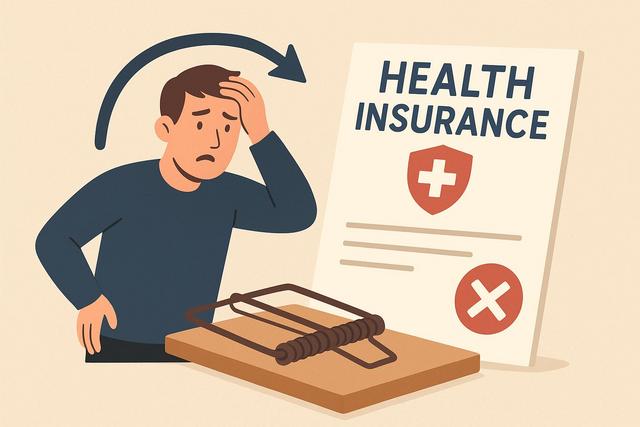
Renewing health insurance may seem straightforward, but overlooking certain aspects can lead to unforeseen coverage gaps or increased costs. Understanding common renewal mistakes empowers you to make informed decisions that protect both your health and your finances.
Understanding the Complexity of Health Insurance Renewals
The process of renewing your health insurance policy often appears deceptively simple, yet it harbors intricate details that can significantly impact coverage and costs. Many overlook the fine print and end up with unforeseen gaps or increased premiums.
The Renewal Notice Trap
Insurance companies usually send a renewal notice well in advance. Amidst life's daily busyness, it's easy to skim or disregard this notice.
- Example Case: A study by the National Association of Insurance Commissioners revealed that 62% of policyholders do not thoroughly review their renewal notices.
- Strategic Insight: Upon receiving the renewal notice, allocate time to assess any changes in terms, premiums, or benefits. Highlight any discrepancies or new terms.
Identifying Coverage Gaps
Without careful review, you may inadvertently renew a policy that no longer suits your healthcare needs. Coverage gaps can surface due to changes in personal circumstances or insurer modifications.
- Case Study Example: Jane was caught off guard when her renewed policy no longer covered her child's therapy sessions, previously included.
- Actionable Insight: Maintain a checklist of essential coverages tailored to your family's health needs. Consult a health insurance advisor if discrepancies arise.
Navigating Premium Increases
Insurance premiums fluctuate based on risk assessments and market conditions. Unfortunately, many consumers renew policies without questioning sudden hikes.
Comparing Costs Effectively
When faced with increased premiums, it is crucial to explore competitive options.
- Data Insight: According to eHealth Insurance, less than 36% of policyholders actively shop for alternative policies during renewal periods.
- Comparison Table: Create a table comparing key policy elements—premiums, deductibles, co-pays, and network providers—to assess value for money.
Negotiating Your Premium
While policy changes are often non-negotiable, there are strategies to address premium hikes.
- Tactical Advice: Contact your insurer to inquire about discounts or wellness programs to mitigate premium increases. Demonstrating healthy habits can also influence rates.
Misunderstanding Policy Changes
Policies can undergo material changes during renewal. Such changes may be detrimental if unnoticed.
Tracking Policy Amendments
Stay vigilant for updated terms and conditions.
- Real-world Example: In 2022, a major insurer excluded non-generic medications from the basic plan, affecting thousands before users noticed.
- Strategy: Regularly review policy documents, and promote legislative engagement, asking insurers to clearly communicate changes.
Leveraging Open Enrollment
Open enrollment periods often present opportunities to modify your policy without penalties.
- Key Insight: Many consumers are unaware that adjustments during open enrollment aren’t penalized, granting flexibility to address coverage needs.
Avoiding Automatic Renewals
Automatic renewals are convenient but not always beneficial.
Assessing Suitability of Auto-Renewal
While auto-renewals prevent coverage lapses, they also may lock you into undesirable terms.
- Illustrative Example: A consumer advocacy report noted 40% of policyholders regretted not reviewing auto-renewals as costs were higher than anticipated.
- Practical Insight: Opt for reminders to manually review your policy annually, ensuring alignment with current healthcare needs.
Setting Manual Reminders
To avoid falling into the comfort trap of automatic renewal, establish a manual checking routine.
- Action Step: Utilize calendar apps for reminders 60-90 days before renewal, prompting proactive reviews and necessary adjustments.
Leveraging Online Tools for Comparisons
In today's digital age, various online tools can assist in comparing and managing policies effectively.
Using Comparison Websites
Harnessing technology can provide comprehensive comparisons based on individualized needs.
- Example: Sites like Insurance.com offer detailed comparisons facilitating better, informed choices for consumers.
- Advisory Tip: Schedule regular digital consultations to stay informed about emerging marketplace trends and opportunities.
Applying Digital Advocacy
Engage in digital forums to glean shared insights from consumer experiences.
- Insight: Leveraging consumer reviews and discussions can highlight lesser-known pitfalls or advantages in specific policy segments.
Conclusion
Navigating health insurance renewals requires more than passive acceptance; it demands strategic engagement. Proactively managing renewals ensures your policy remains competitive and tailored to your health needs. Key takeaways include:
- Thoroughly review renewal notices to grasp changes in terms and costs.
- Evaluate coverage against personal needs to prevent gaps.
- Actively compare alternatives to avoid unjustified premium hikes.
- Monitor policy amendments and leverage open enrollment for beneficial changes.
- Rethink automatic renewals to maintain policy relevance and cost-effectiveness.
- Utilize online tools for comprehensive, accessible policy insights.
Implement these steps during your next renewal to dodge common pitfalls and optimize your health insurance coverage strategy.

