Experimental Treatments: What’s Safe in 2026
- 01/12/2026 05:19am
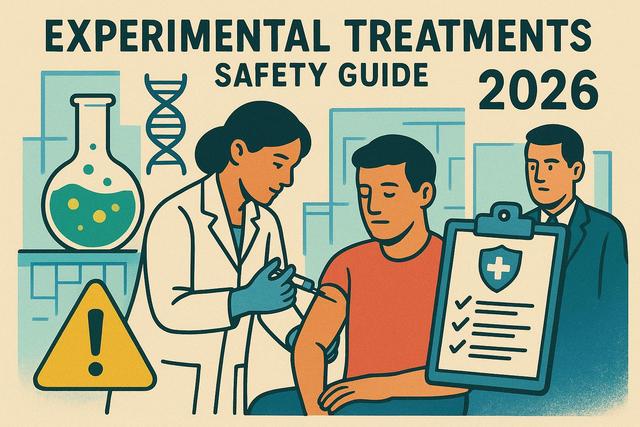
The landscape of medical innovation is evolving rapidly, with experimental treatments proposing groundbreaking solutions for various conditions. As we approach 2026, it becomes increasingly essential to differentiate between treatments that are safe and those that may pose significant risks. This comprehensive guide explores the types of experimental therapies available, benchmarks for safety and effectiveness, and offers insights into ongoing research and future prospects.
The Rise of Experimental Treatments in Modern Medicine
With the advancement of technology and an increased understanding of human biology, the medical field is witnessing a surge in experimental treatments. These therapies, ranging from gene editing to novel drug applications, promise to revolutionize patient care. However, this innovation brings an inherent question: How safe are these new treatments?
Understanding Experimental Treatments
Experimental treatments are therapies that are in the stages of research and testing. They are not yet established as standard care and may be in the various phases of clinical trials. The aim is often to address conditions that do not respond well to conventional therapies.
- Gene Therapy: Gene-editing technologies like CRISPR have taken the spotlight. CRISPR is being researched for its ability to correct genetic defects, but ethical and safety concerns remain.
- Stem Cell Therapy: While promising, stem cell treatments have faced scrutiny after clinical trials failed to show efficacy in some conditions (Mayo Clinic).
Evaluating Safety: Key Parameters
Several factors determine the safety of experimental treatments:
Clinical Trial Phases
- Phase I: Focuses on safety and dosage.
- Phase II: Explores efficacy and side effects.
- Phase III: Confirms effectiveness, monitors side effects, and compares with commonly used treatments.
Each phase is crucial in proving that a treatment is safe and effective.
Regulatory Approvals
Authorities like the Food and Drug Administration (FDA) and the European Medicines Agency (EMA) regulate experimental treatments, ensuring that only therapies meeting specific safety and efficacy standards reach the market.
Long-term Data
Without long-term data, predicting lifetime effects can be challenging. Longitudinal studies are essential for understanding potential long-term consequences.
Case Studies: Lessons from Recent Innovations
The Advent of mRNA Vaccines
While mRNA vaccines for COVID-19 were developed rapidly, they had been studied for other diseases for years. The success of these vaccines showcased how prior research could fast-track development in emergencies.
Monoclonal Antibodies
Monoclonal antibodies have made strides in treating cancers and autoimmune diseases (American Cancer Society). However, their high cost and complex production raise questions about widespread accessibility.
Navigating Risks: How to Stay Informed
- Follow Reputable Sources: Stay updated with information from credible medical journals and health organizations.
- Consult Healthcare Professionals: Discuss potential treatments with your healthcare provider to understand risks and benefits.
The Future of Experimental Treatments
Looking ahead to 2026, further advancements in personalized medicine, data analytics, and digital health technologies are expected to enhance experimental treatment safety and accessibility.
Conclusion: Actionable Takeaways
It is crucial for patients and practitioners to critically assess the safety and efficacy of experimental treatments. Relying on regulatory guidelines, clinical data, and expert opinions will remain essential. Moving forward, continuous innovation paired with careful evaluation is necessary to ensure that tomorrow's treatments are both groundbreaking and safe.
By staying informed and engaged, stakeholders can navigate the complexities of experimental treatments, contributing to safer, more effective healthcare outcomes.

