Longevity Treatments: Science or Marketing?
- 02/04/2026 05:11am
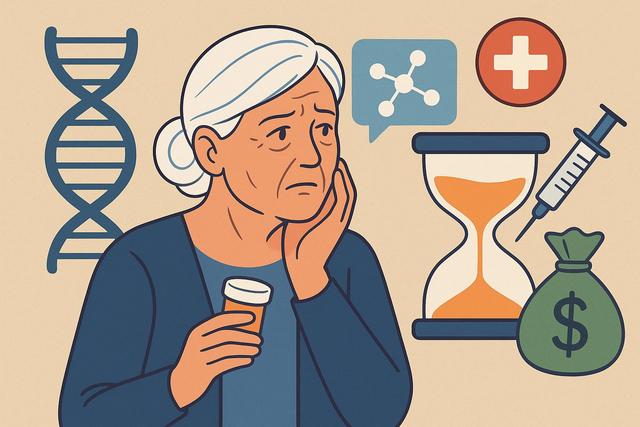
The pursuit of longevity has been a human quest since time immemorial. From mythical fountains of youth to modern-day biotechnological advancements, the promise of extending life remains a captivating dream. But as we traverse the landscape of anti-aging treatments, one must ask: are these interventions truly grounded in science or merely a product of savvy marketing tactics? This article aims to unravel the myths and reveal the facts behind longevity treatments, casting a discerning eye on what is genuine scientific progress and what might be a marketing ploy.
Understanding Longevity Medicine
Longevity medicine incorporates various interventions, including pharmaceuticals, nutritional supplements, and lifestyle modifications, aimed at extending healthy lifespan. The field has witnessed significant growth, fueled by advancements in biotechnology and a global surge in life expectancy.
Recent Scientific Advances
Several promising scientific breakthroughs have emerged in recent years. Genetic research, for instance, has identified genes associated with aging, such as the FOXO3 gene, which has links to human longevity. Furthermore, studies on pathways like mTOR (mechanistic target of rapamycin) have provided insights into cellular aging processes.
Case Studies and Clinical Trials
- Caloric Restriction: Research has shown that caloric restriction without malnutrition can extend lifespan in various species. Studies, such as those conducted by the National Institute on Aging, indicate possible benefits in humans.
- Metformin: Commonly used for diabetes, metformin is being tested in trials such as the TAME (Targeting Aging with Metformin) study, exploring its potential to delay aging-related diseases.
Marketing Hype in Longevity Treatments
Over-the-Counter Supplements
The market is flooded with anti-aging supplements, often promoted with minimal scientific backing. Products like antioxidants, collagen supplements, and various vitamins claim to delay aging, yet the scientific support for these claims remains weak.
Identifying False Claims
Consumers should be aware of red flags, such as exaggerated promises, lack of peer-reviewed research, and endorsements by non-experts. Always look for credible sources backing the product's claims.
Actionable Insights for Consumers
- Research: Thoroughly investigate products, focusing on those with robust scientific validation.
- Consult Healthcare Professionals: Seek advice from professionals who specialize in geriatric or longevity medicine.
Conclusion
Distinguishing genuine scientific progress from marketing hype is crucial in longevity treatments. While there are promising developments in the field, many products are more about commercial gain than delivering real benefits. Consumers are encouraged to remain informed and skeptical, utilizing insights from established scientific research and consultations with healthcare experts.
For further reading and resources, check out high-authority sites like Mayo Clinic and WebMD.

