Precision Medicine: Who Really Benefits from Personalized Treatment?
- 01/23/2026 05:11am
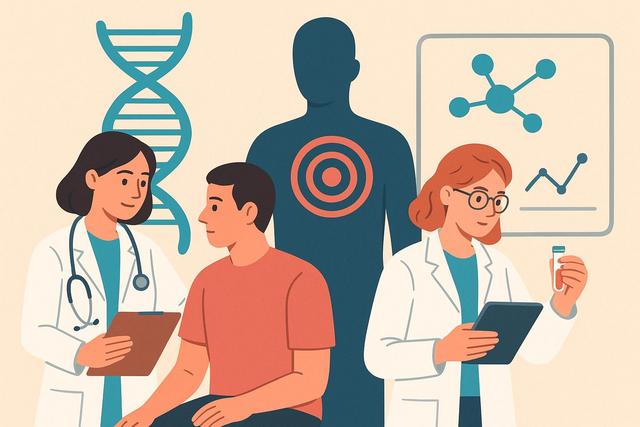
Precision medicine, also known as personalized treatment, promises a new dawn in healthcare by offering tailored therapies based on individual genetic, environmental, and lifestyle factors. This article dives deep into the intricacies of precision medicine, highlighting who truly benefits from this medical revolution and who might not reap its rewards.
Precision Medicine: Who Really Benefits from Personalized Treatment?
Precision medicine is transforming the healthcare landscape by tailoring medical treatment to the individual characteristics of each patient. This approach considers unique variables such as genetic makeup, environment, and lifestyle when designing treatment plans. But who stands to gain the most from precision medicine, and who might be left behind?
Understanding Precision Medicine
What is Precision Medicine?
Precision medicine, also often referred to as personalized treatment, involves customizing healthcare, with medical decisions, practices, and products being tailored to the individual patient. This approach relies heavily on data from genetic testing, advanced analytics, and other technologies to guide, predict, and accurately treat diseases.
The Role of Genetic Therapy
Genetic therapy plays a central role in precision medicine. By understanding genetic information, treatments can become more targeted, offering better outcomes with fewer side effects. This is particularly useful in cancer treatment, where therapies can be tailored to target the specific genetic mutations present in a tumor.
Benefits of Precision Medicine
Targeted Treatments
Precision medicine's primary advantage is its ability to offer targeted treatments. Drug therapies are designed to interact specifically with the genetic profiles of patients or their diseases, improving effectiveness.
Fewer Side Effects
By targeting specific genes or molecular targets, precision medicine often results in fewer adverse reactions compared to traditional treatments.
Improved Outcomes
Clinical trials have shown that precision medicine approaches, particularly in oncology, often result in improved survival rates and quality of life for patients.
Who Really Benefits?
Patients with Rare Diseases
Individuals with rare genetic disorders are prime beneficiaries of precision medicine. According to the National Institutes of Health, many rare diseases are caused by genetic mutations, making them ideal candidates for personalized treatment.
Cancer Patients
Cancer treatment has seen one of the most significant impacts from precision medicine. Personalized oncology treatments, such as those targeting specific genetic mutations, have improved response rates and survival.
Pharmacogenomics
For patients who metabolize drugs differently due to unique genetic make-ups, pharmacogenomics allows for medication and dosage adjustments, reducing side effects and increasing efficacy.
The Economic Perspective
Cost Considerations
While precision medicine holds promise, it also presents significant cost challenges. Genetic testing and tailored therapies are expensive, raising questions about cost-effectiveness and accessibility.
Health Disparities
Not everyone benefits equally. There's a risk of increasing health disparities, as access to precision medicine might be limited to those with greater financial means or in more developed regions.
Challenges and Limitations
Data Privacy Concerns
The increasing reliance on genetic data raises significant privacy issues. Ensuring that patient data is protected and used ethically is paramount.
Regulatory Challenges
As precision medicine involves novel treatments, regulatory bodies like the FDA face challenges in ensuring safety and effectiveness.
Conclusion: Actionable Takeaways
Precision medicine promises a future where treatments are individualized, potentially changing the landscape of healthcare significantly. However, not all patients benefit equally, highlighting the need for policies that improve accessibility and address ethical, financial, and regulatory challenges. Stakeholders must work together to ensure broader access and to overcome existing disparities.
For Further Reading:
- Explore more about precision medicine at the American Medical Association
- Review genetic therapy strategies at Genetic Home Reference
- Delve into pharmacogenomics advances at the FDA

