Understanding Decision Fatigue and its Impact on Mental Health
- 04/06/2026 05:11am
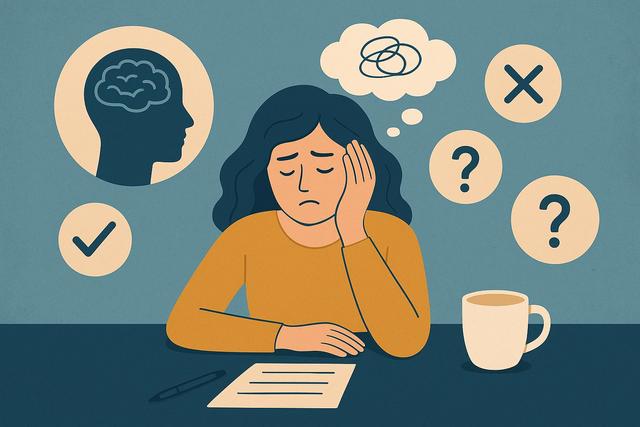
In our rapidly-paced and choice-saturated world, decision fatigue emerges as a significant yet often overlooked contributor to mental distress. The proliferation of choices, whether in daily trivialities or major life events, can lead to psychological overload, influencing not just decision-making capabilities but overall mental health. This article delves into decision fatigue, illustrating its implications and offering tactics to mitigate its impact.
What is Decision Fatigue?
Decision fatigue refers to the deteriorating quality of decisions made by an individual, after a long session of decision making. When faced with numerous choices, the mental exertion required leads to a reduced ability to make final decisions effectively.
Real-World Scenario: The Supermarket Aisle
Imagine navigating through a grocery store with rows upon rows of cereal. Initially, the plethora of options might seem beneficial. However, as the choices mount, one's cognitive resources deplete, often resulting in hasty, poor, or avoidant decisions. In fact, a study by Barry Schwartz in "The Paradox of Choice" highlights how an abundance of choice complicates the decision-making process.
Data and Implications
Research indicates that the average person makes approximately 35,000 decisions daily. With every decision, our brain expends energy, gradually leading to mental exhaustion. This fatigue results in decision avoidance or impulsivity, with direct negative impacts on professional and personal life quality.
The Psychological Impact of Decision Fatigue
The psychological consequences include stress, reduced productivity, and increased anxiety. Constant decision-making can hinder mental focus, leading to deteriorating mental health.
Case Study: Academic Settings
A University of Minnesota study revealed students often face decision fatigue during exam seasons. Overwhelmed by numerous choices on time allocation, many students experience higher stress levels, leading to decreased academic performance.
Critical Insight
In academic pursuits, structured decision aids or priorities can alleviate the adverse effects of decision fatigue, promoting more focused and productive study sessions.
Decision Fatigue in Professional Environments
The workplace is rife with decisions, from trivial to critical, demanding sustained mental energy.
Analyzing Decision-Making in Corporations
According to a report by McKinsey & Company, executives often face decision fatigue, impacting strategic outcomes. Frequent, high-stakes decisions without adequate recovery periods deplete cognitive resources, jeopardizing business goals.
Strategies for Professionals
- Delegate Decisions: Offload less critical decisions to team members.
- Implement Breaks: Encourage regular mental breaks to rejuvenate cognitive functions.
Decision Fatigue's Effect on Personal Life
Excessive decision-making in personal contexts can impair relationship satisfaction and personal contentment.
Real-World Example: Daily Routines
A survey by the Journal of Behavioral Decision Making found that individuals faced with numerous daily decisions experience more family discord and personal unrest.
Actionable Advice
- Simplify Routine Choices: Adopt life simplifications, like meal prepping, to minimize daily decision burdens.
- Establish Habits: Create stable routines to reduce the frequency of trivial decisions.
Addressing Decision Fatigue Through Effective Techniques
To combat decision fatigue, individuals can implement various strategies aimed at preserving mental clarity.
Techniques
- Prioritize Decisions: Tackle the most significant decisions when mental energy is highest, typically early in the day.
- Batch Decisions: Condense similar decisions to reduce cognitive load.
Tools and Resources
Digital tools like Trello for task management and Headspace for mindfulness can be beneficial in organizing decisions, thereby reducing stress.
Future Perspectives on Decision Fatigue
The evolving landscape of digital and workplace environments signifies an increasing need to recognize decision fatigue as a legitimate concern.
Technological Advancements
AI and machine learning technologies can aid by suggesting optimal choices, thereby reducing decision burdens. An example is IBM’s Watson, which can analyze extensive data to offer strategic options.
Long-term Solutions
Organizations can benefit from trainings focused on decision-making strategies and implementing AI tools to mitigate employee decision fatigue.
Conclusion
Decision fatigue is an impactful component affecting mental health in today’s high-speed world. The recognition of this psychological burden allows individuals and organizations to strategize effectively.
Takeaways and Implementation Steps
- Recognize and Prioritize: Understand when decision fatigue is affecting you and prioritize essential decisions.
- Adopt Routines and Habits: Create routines to minimize repetitive decisions.
- Leverage Technology: Use digital tools to streamline decision-making processes.
- Educate and Train: Business leaders should develop programs to address decision fatigue, ensuring sustained productivity and mental well-being.

