
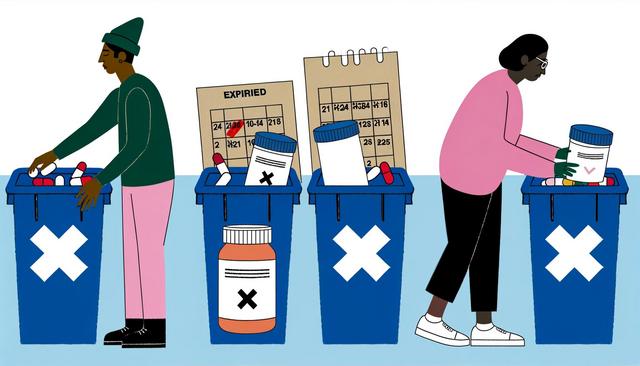
Expired or unused medications can pose significant environmental and personal safety risks if not disposed of correctly. Improper disposal methods, such as flushing drugs down the toilet or tossing them in the trash, can lead to contamination of water systems and accidental ingestion by children or pets. In this guide, we will explore effective strategies for the safe and responsible disposal of expired medications, providing you with crucial information to protect your household and the environment.
Understanding the Risks of Improper Medication Disposal
Disposing of medications improperly can have severe repercussions. Pharmaceuticals that end up in water supplies can disrupt aquatic ecosystems, affect marine life, and ultimately enter the human food and water supply. According to the Environmental Protection Agency (EPA), traces of pharmaceuticals have been found in the drinking water of millions of Americans, raising concerns about possible health effects.
Methods of Safe Disposal
Medication Take-Back Programs
One of the most effective ways to dispose of medications safely is through drug take-back programs. These programs provide secure collection sites for unused or expired medications, ensuring they are disposed of in an environmentally friendly manner. Many local pharmacies and community centers host such events, particularly on designated days like the National Prescription Drug Take Back Day.
Authorized Collection Sites
The Drug Enforcement Administration (DEA) has some authorized facilities that can legally collect and dispose of medications. Often, these include local law enforcement agencies, hospitals, and clinics. To find a collection site near you, you can consult the DEA’s website or check with local government resources.
Disposal in Household Trash (With Precautions)
If take-back programs and authorized sites are unavailable, certain medications may be disposed of in the household trash by following these steps:
- Mix Medications with Unpalatable Substances: To deter pets or children from ingesting them, mix medications with undesirable substances like dirt, coffee grounds, or cat litter.
- Seal in a Plastic Bag: Place the mixture in a sealed plastic bag to prevent leakage.
- Dispose of in Household Trash: Throw the bag in your household trash bin on trash collection day.
However, only non-hazardous medications should be disposed of in this manner. For hazardous medications, always consult a pharmacist or a disposal expert.
Flushing Medications: A Last Resort
In certain cases, the Food and Drug Administration (FDA) recommends flushing specific medications to prevent potential harm from accidental ingestion. This list includes drugs like fentanyl patches, which can deliver a fatal dose if consumed accidentally. Only flush medications that are explicitly indicated by the FDA. Consult the full list here.
Tips for Minimizing Medication Waste
Reducing waste begins with smart prescription practices. Here are some actionable steps:
- Consult with Healthcare Providers: Discuss your medication needs thoroughly to avoid overprescribing.
- Request Smaller Quantities: When trying a new prescription, ask for a smaller quantity to gauge its effectiveness.
- Stay Organized: Keep an inventory of medications to prevent unnecessary refills.
Additional Resources
Organizations such as Earth911 and the National Association of Boards of Pharmacy (NABP) provide tools to locate disposal facilities and educational resources to raise awareness about pharmaceutical safety.
Conclusion: Taking Action
Proper disposal of medications not only safeguards your household from accidental ingestion but also protects the environment from contamination. By participating in take-back programs, utilizing authorized collection sites, and adhering to safe disposal practices, you contribute positively to public health and ecological preservation. Equip yourself with knowledge and resources to manage drug disposal responsibly and encourage others to do the same.

