The Impact of Social Media on Teen Mental Health: A 2025 Perspective
- 10/15/2025 09:11am
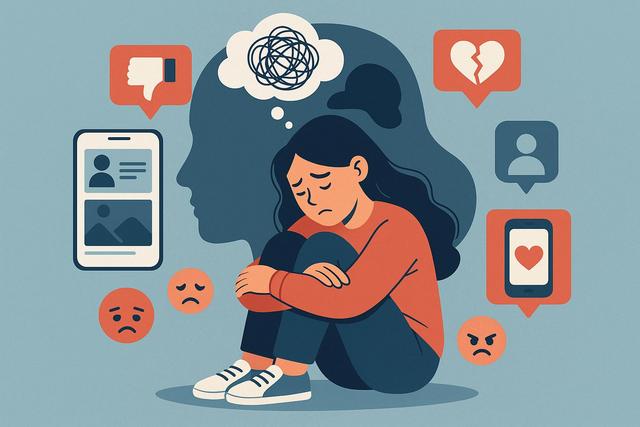
As social media continues to evolve, its influence on teen mental health warrants increasing concern among parents, educators, and healthcare professionals. In this comprehensive guide, we explore how social media platforms affect adolescents and what strategies stakeholders can implement to support positive mental health outcomes for teens in 2025.
The Rise of Social Media
Since the advent of platforms like Facebook, Instagram, and Snapchat, teens have been at the forefront of social media engagement. According to Pew Research Center, more than 90% of teens use social media, making them the most active demographic online.
The Double-Edged Sword
While social media offers opportunities for connection and creativity, it also poses risks. Studies show a correlation between high social media use and increased anxiety, depression, and poor sleep quality among teens. These platforms often trigger comparisons, cyberbullying, and unrealistic expectations.
Impact on Emotional and Psychological Wellbeing
Cyberbullying and Peer Pressure
Cyberbullying is a significant concern, with platforms providing little to no oversight. The constant threat of online harassment can lead to devastating emotional consequences, including low self-esteem and even self-harm.
The Fear of Missing Out (FOMO)
FOMO is amplified by the curated nature of online personas. Teenagers often perceive that they are missing out on exciting or important experiences, which exacerbates feelings of inadequacy and isolation.
Identity and Self-Perception
Social media influences self-perception and personal identity development. Teens frequently compare themselves to idealized images, which affects body image and self-worth.
Case Studies: Analyzing the Data
Case Study: The Snapchat Generation
Research conducted by CDC reveals that platforms like Snapchat significantly affect teen mood and anxiety levels, particularly if usage exceeds two hours per day.
Case Study: Instagram's Impact on Body Image
A study from American Psychological Association highlights that Instagram's visual focus can lead to negative body image issues, especially among female teens.
Actionable Strategies for Parents and Educators
Promoting Digital Literacy
Education about social media's potential impacts can empower teens to make healthier choices. Parents and educators should foster an open dialogue about online experiences.
Implementing Screen Time Guidelines
Limitless use can be detrimental. Implementing structured screen time and content guidelines can help mitigate negative impacts. The Common Sense Media provides resources for creating balanced screen time plans.
Encouraging Offline Activities
Encourage teens to engage in offline hobbies and in-person social interactions to maintain a balanced lifestyle and reduce screen dependence.
Providing Mental Health Resources
Access to professional mental health resources is essential. Schools should integrate mental wellness programs and collaborate with mental health experts to support teens.
Conclusion: Navigating Social Media in 2025
Understanding and addressing the impact of social media on teen mental health is critical as we move towards 2025. Stakeholders must work collaboratively to create environments that foster resilience and positive development. By implementing strategic interventions and maintaining open lines of communication, we can ensure that social media remains a tool for connection, not a catalyst for distress.

